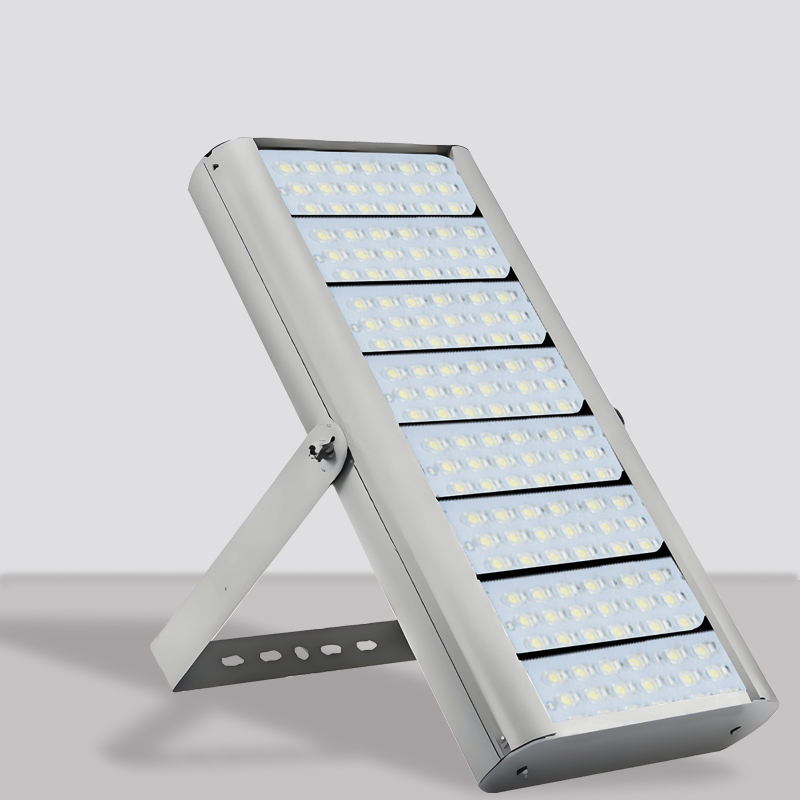
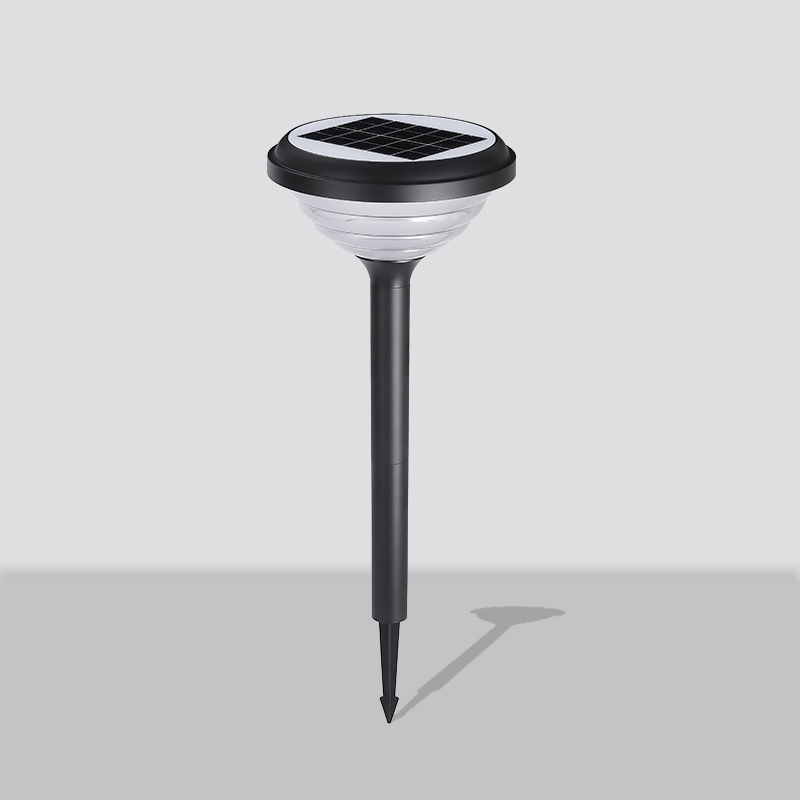
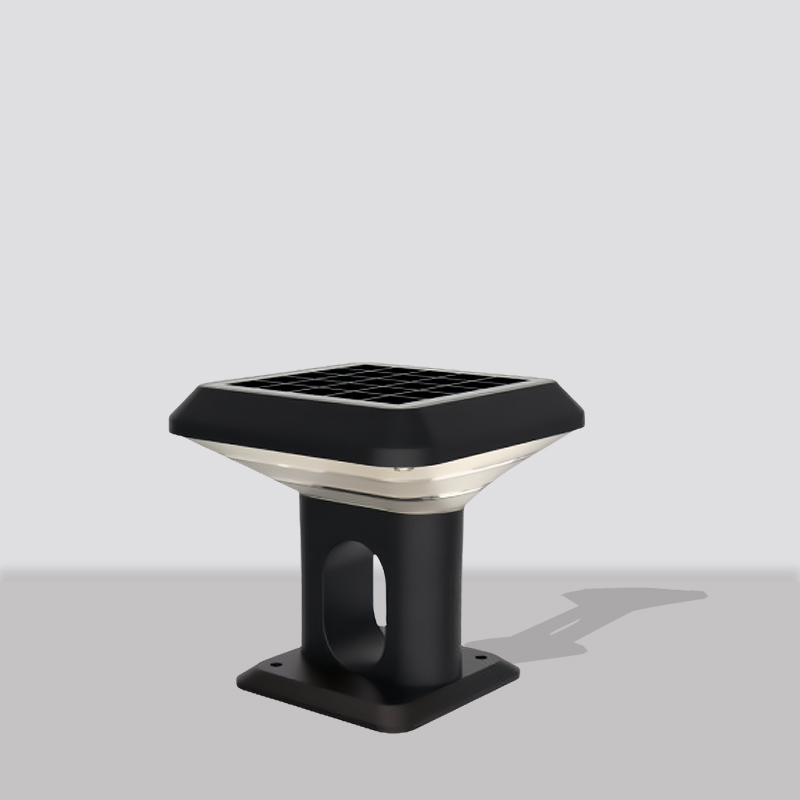
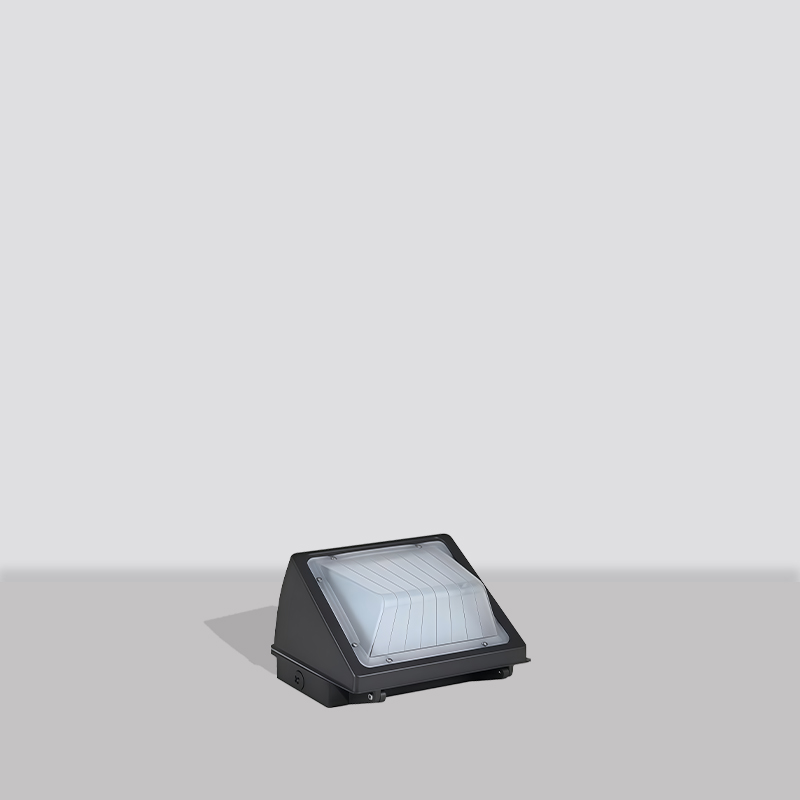
What Are Solar Flood Lights?
Solar flood lights are self-contained lighting systems that use solar panels to convert sunlight into clean electricity and store it in batteries for night use. A solar flood light works independently from the power grid, making it energy-saving, eco-friendly, and easy to install without wiring or trenching. They are commonly applied in yards, driveways, gardens, sports areas, warehouses, fences, signage, and building exteriors—providing wide-angle illumination that improves visibility and reinforces nighttime security.As one of the professional solar flood light manufacturers, THOE focuses on performance, efficiency, and long-term reliability. Our flood lights integrate high-conversion solar panels, durable lithium batteries, and high-lumen LED chips to ensure stable brightness even during cloudy weather. Intelligent control systems enable auto-on operation at dusk and efficient energy discharge throughout the night, supporting continuous lighting with minimal maintenance.
Commercial Solar Flood Lights
Commercial solar flood lights are an effective and eco-friendly lighting solution for a wide range of commercial and industrial environments. Powered entirely by solar energy, a
commercial solar flood light delivers stable and high-lumen illumination at night while significantly reducing electricity costs and carbon emissions. As one of the trusted solar flood light manufacturers, THOE offers long-lasting lighting systems designed to improve security, visibility, and operational continuity with minimal.
Building Exteriors
Commercial solar flood lights are widely installed on building exteriors to increase safety, deter unauthorized access, and maintain clear visibility throughout the night. They support entrances, exits, and perimeter walkways, offering bright, reliable coverage that helps prevent theft and vandalism maintenance.
Parking Lots
In large parking areas, these lights enhance driver and pedestrian safety by increasing visibility and reducing accident risk. The off-grid operation of commercial solar flood lights allows businesses to illuminate vast parking spaces without electrical infrastructure investment.
Warehouses & Industrial Zones
For warehouses and industrial sites, THOE lighting systems provide dependable illumination without relying on grid power. They are essential for ensuring safe 24/7 operations, especially during power outages or in remote facilities.
Educational Institutions
Universities, schools, and campuses use
commercial solar flood lights to safeguard student and staff movement after dark. They illuminate pathways between buildings, sports areas, and public spaces, contributing to a safer campus environment.
Parks & Recreational Areas
Solar flood lights extend the usability of parks, playgrounds, and community recreational spaces into the evening. With uniform brightness and wide coverage, they improve both visitor safety and visual appeal.
Commercial Complexes & Retail Areas
Outdoor shopping zones and commercial plazas benefit from both functional illumination and enhanced nighttime atmosphere. THOE commercial solar flood lights make these spaces more welcoming, improving visitor experience and supporting nighttime business activity.
Solar LED Flood Light Mounting
The installation of a solar flood light is designed to be straightforward, allowing quick setup with secure mounting and optimal lighting performance. The following guide—based on THOE product specifications—provides a clear and practical process for installing your solar-powered LED flood light system.
Step-by-Step Installation Guide for Solar Flood Light
- Mounting the Base Plate
- Position the base plate at the desired location where the solar flood light will be installed.
- Mark the drilling points using the base plate as a template.
- Drill holes with the appropriate bit size, then insert the provided anchor bolts firmly into place to ensure a stable foundation for your THOE solar flood light.
- Attaching the Light Fixture
- Align the fixture with the exposed anchor bolts on the base plate.
- Secure the solar flood light using washers and nuts, tightening firmly with a wrench to ensure wind-resistant stability and long-term performance.
- Adjusting the Pole and Light Angle
- Select the ideal height and fasten the bolts securely.
- Adjust the LED panel angle to maximize illumination coverage, ensuring the solar flood light faces the target area. Lock the adjustment firmly so it maintains the direction during operation.
- Activating the Light
- Turn on the main power switch to activate the solar lighting system. This should be done under the solar panel where it’s typically located.
- Ensure that the solar panel itself is positioned to receive maximum sunlight exposure without obstructions.
- Testing the Setup
- Test the light functionality by covering the solar panel to simulate darkness, which should turn the light on. Remove the cover to expose it to light, and the flood light should turn off. This test confirms that the light and solar panel are working correctly.