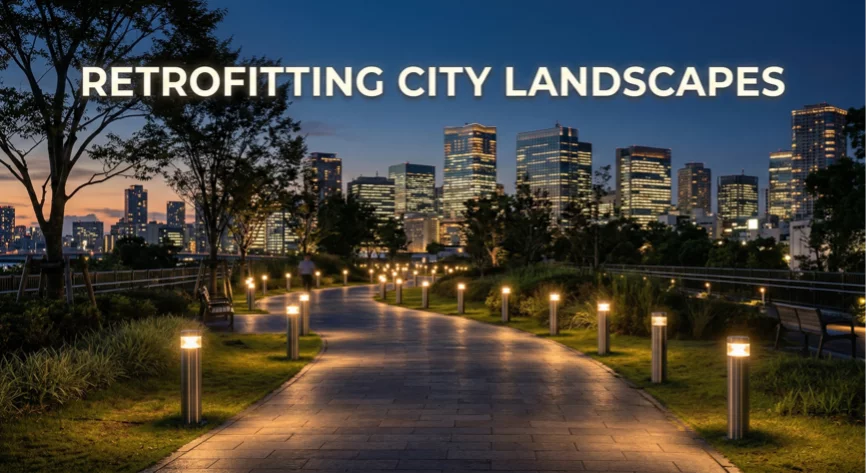
Over the years at THOE Lighting, I’ve walked countless job sites with city planners, electrical contractors, and municipal engineers. We always end up having the same conversation: cities need better lighting, but digging up existing infrastructure to install it is an absolute nightmare.
If you are evaluating urban infrastructure upgrades, you are likely feeling the squeeze between rising energy costs and complex installation logistics. Let’s break down why solar garden lighting is no longer just a residential novelty, but a heavily engineered, cost-effective solution for modern cities.
The Urban Lighting Dilemma
The pace of urbanization is staggering. As of 2025, approximately 45% of the global population resides in urban areas. By 2050, that number is projected to explode, with an estimated 6.6 billion people living in cities. With this influx comes an urgent demand for safe, well-lit, and high-quality public spaces.
However, lighting these spaces places a massive burden on municipal budgets. Consider this: urban energy consumption accounts for roughly 78% of total global energy use. Within that massive footprint, lighting alone consumes 15% of the electricity. For many municipalities, street and landscape lighting eats up an astonishing 20% to 40% of their total electricity bill.
City planners are caught in a dilemma. They are under intense pressure to lower carbon emissions and slash energy bills, yet upgrading to modern lighting in established areas introduces a whole new set of costly logistical barriers.
Pain Point: The Challenge of “Established Areas”
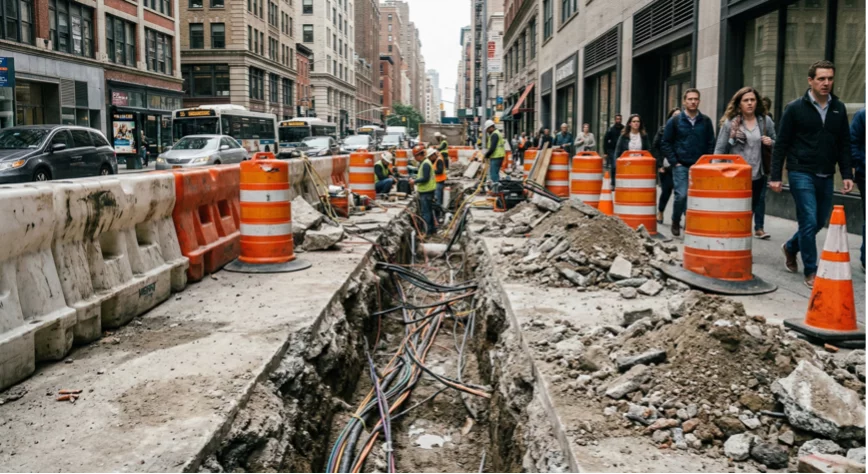
When you look at a newly developed suburb, laying cables is easy. But retrofitting established urban areas with traditional hardwired lighting is incredibly difficult and expensive.
Installing underground cables in an existing district requires heavy trenching, temporary road closures, and extensive backfilling. It actively destroys existing sidewalks, landscaping, and pavement. The financial toll is severe:
- Trenching and wiring alone typically account for 30% to 40% of the total installation costs in urban street lighting projects.
- The specialized labor and heavy equipment required (like excavators and pipe layers) can easily cost thousands of dollars per day.
- Ongoing maintenance is equally punishing, with annual maintenance fees for a single traditional light reaching $250 to $400.
Beyond the installation costs, traditional grid-tied systems are vulnerable. Old wiring is susceptible to corrosion, lightning strikes, and accidental damage from other construction work. Complex cable systems are also frequent targets for copper theft. Because these lights are wired in series, a single compromised cable can cause an entire street or city block to go dark.
Solution: Solar Bollard Lights as the Urban Retrofit Hero
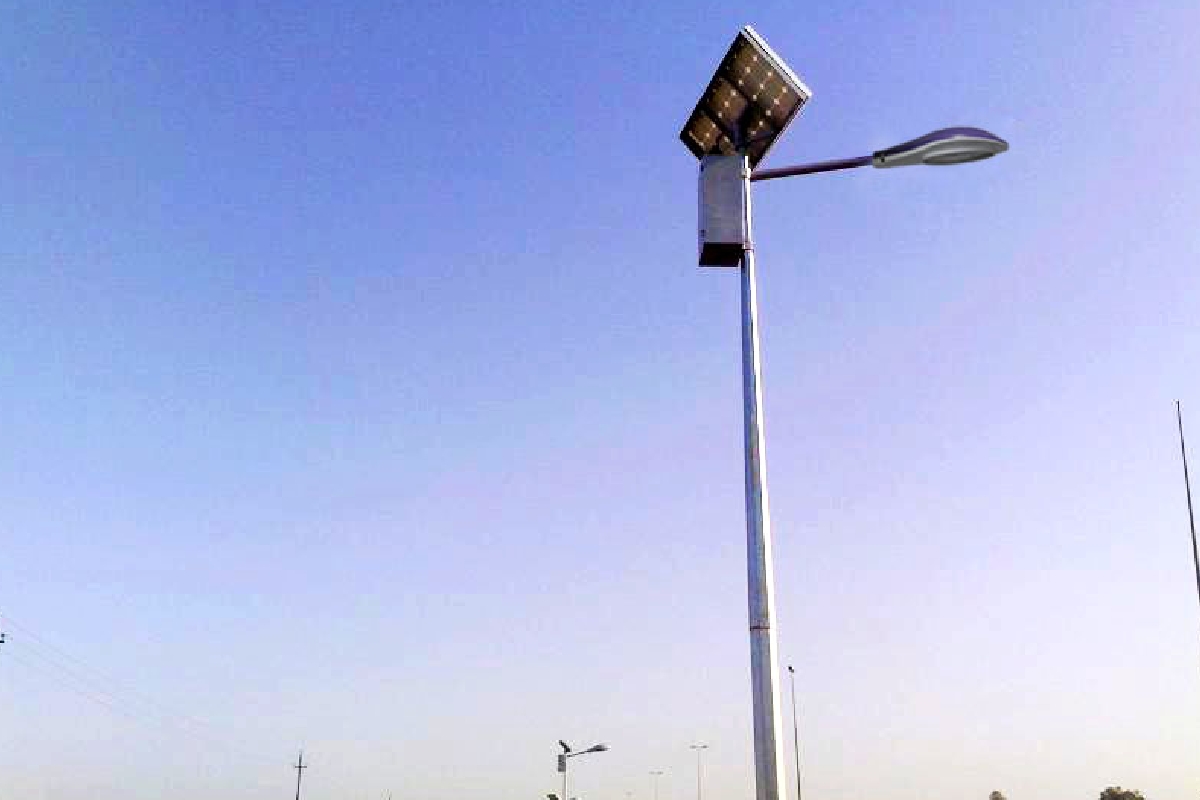
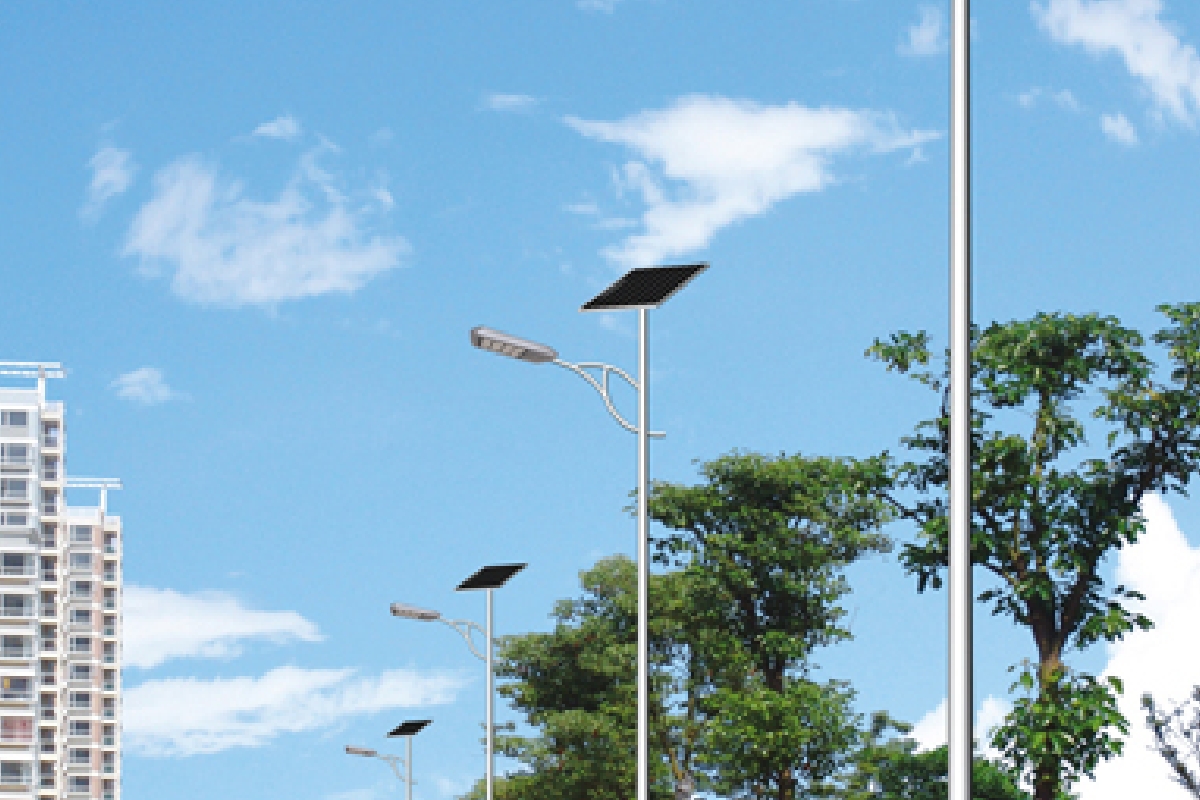
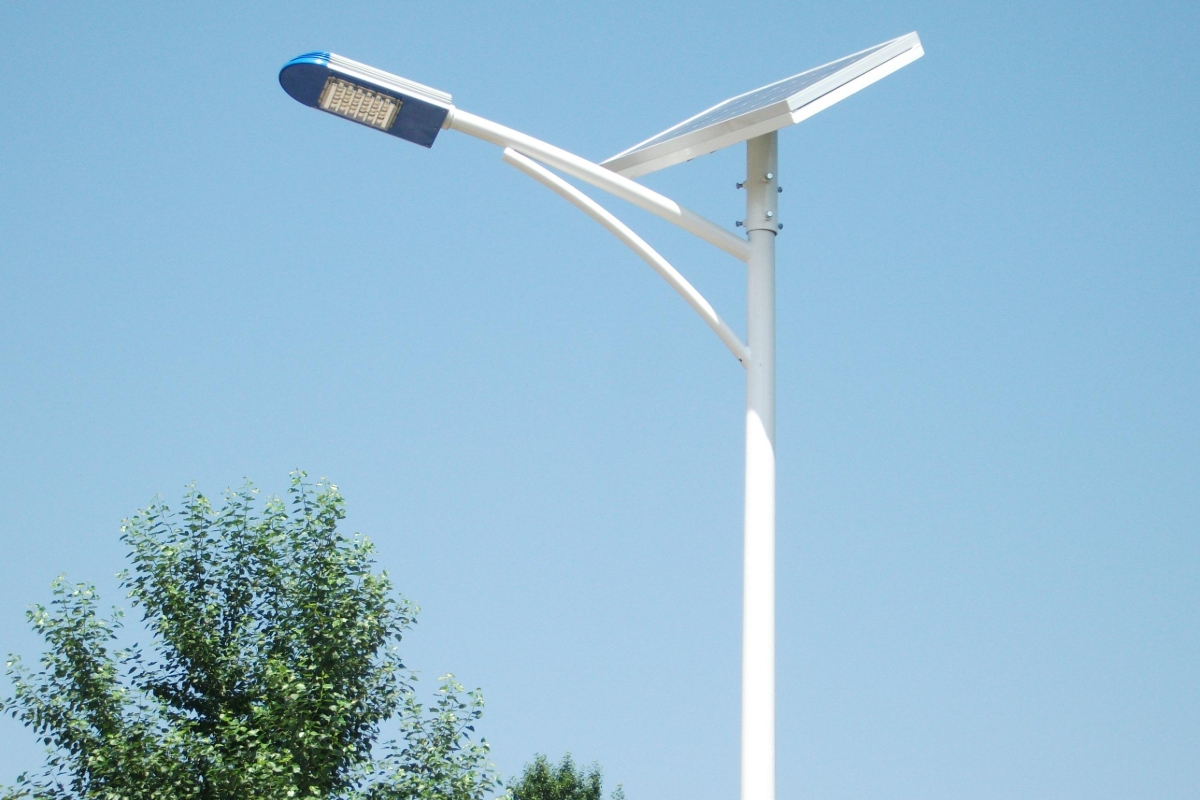
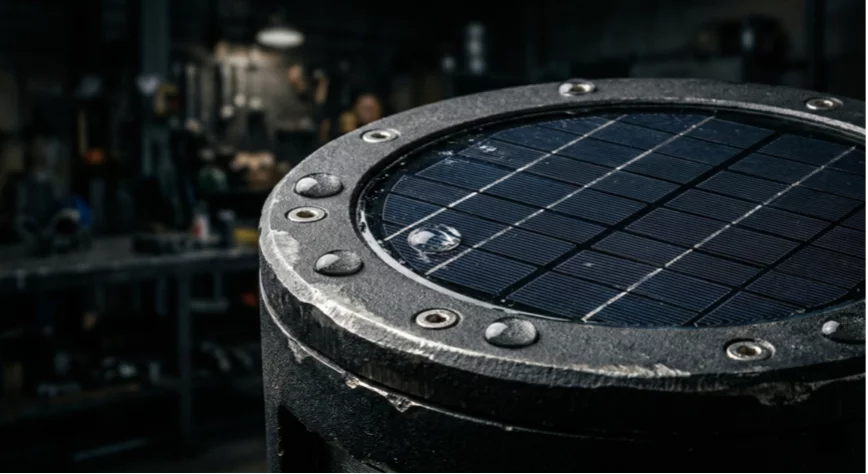
This is where commercial solar outdoor lighting changes the game. Commercial-grade systems, specifically solar bollard lights, provide a non-invasive, entirely self-contained retrofit solution. Each unit integrates the solar panel, battery, and LED light source into a single fixture, completely bypassing the electrical grid. You simply secure the pole—no trenching, no traffic disruptions, and no waiting on utility companies.
Here is how we are seeing these systems deployed effectively across different urban zones:
1. Public Parks & Jogging Tracks
In public parks and along pedestrian walkways, the advantages of being entirely “cable-free” are immediate.
- Eliminating underground cables completely removes the high costs of road and pathway excavation.
- Because there is no connection to a high-voltage grid, the risk of electric shock in public recreational areas is eliminated, greatly enhancing pedestrian safety.
- The independent nature of these lights means that if one unit requires maintenance, the rest of the park remains brightly lit.
- Their multi-modular, weather-resistant designs ensure reliable operation in harsh weather, significantly reducing maintenance frequency.
2. Residential & Gated Communities
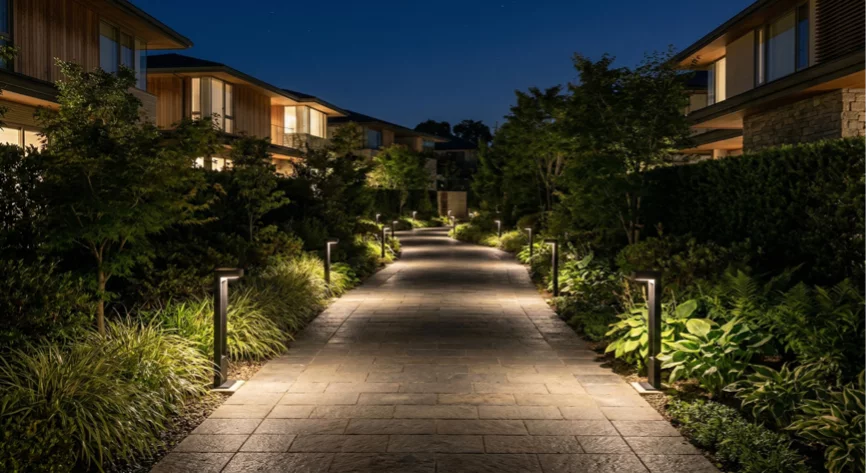
For residential neighborhoods, solar outdoor pathway lighting solves the delicate balance between visibility and comfort.
- High-quality solar fixtures utilize precision optics and shields to direct light downward, ensuring compliance with “Dark Sky” principles.
- This prevents light pollution and stops harsh glare from shining directly into residential windows.
- Dark Sky certified lighting minimizes energy waste while protecting the environment.
- Beautifully designed, eco-friendly lighting is highly attractive in the real estate market, visibly enhancing property aesthetics and increasing property value.
3. Corporate Campuses & Office Parks
For businesses, the physical environment reflects the brand.
- Deploying visible solar infrastructure helps companies actively meet their Corporate Social Responsibility (CSR) and ESG (Environmental, Social, and Governance) goals.
- It serves as a tangible demonstration of a company’s commitment to sustainability, attracting eco-conscious clients and investors.
- Furthermore, these green energy upgrades often qualify enterprises for government tax incentives and subsidies.
Technical Deep Dive: Commercial vs. Retail Quality
It is vital to distinguish between the solar lights you buy at a hardware store and commercial grade solar landscape lights. Municipal projects require infrastructure that lasts a decade, not a season.
Battery Longevity:
- Commercial projects demand years of continuous operation, which is why we utilize Lithium Iron Phosphate (LiFePO₄) batteries.
- High-quality LiFePO₄ batteries deliver a cycle life of 2,000 to 6,000 cycles, equating to an 8 to 12-year lifespan.
- In stark contrast, standard lead-acid batteries max out at 500 to 1,500 cycles, lasting only 3 to 5 years.
- This longevity drastically reduces battery replacement frequency and slashes long-term maintenance costs.
Security and Durability Features:
- Public spaces are prone to vandalism. Commercial fixtures are engineered with anti-theft screws, thickened housings, and heavily reinforced bases.
- Many of these models achieve an IK10 impact rating, meaning they can withstand severe physical impacts without breaking.
- They also carry high waterproof ratings (like IP67) to protect internal electronics and batteries from moisture in extreme weather conditions.
THOE Lighting Case Studies
At THOE Lighting, we’ve successfully deployed these systems in highly diverse environments worldwide, proving their adaptability and performance.
- Australia: Our solar garden lights were installed in urban parks, blending flawlessly with the local streetscape while providing reliable nighttime illumination and enhancing overall aesthetics.
- South Korea: In commercial pedestrian zones, our fixtures were selected to create a distinct European-style ambiance, delivering uniform light while elevating the district’s atmosphere.
- Dubai: We supplied high-end residential communities with sustainable lighting that perfectly matched the area’s luxurious, environmentally conscious design standards.
- Jamaica: Leveraging the abundant sunlight, our fixtures provided highly efficient, energy-saving illumination for local roadways and community spaces.
Conclusion
The reality is clear: solar garden lighting has evolved. These fixtures are no longer merely backyard decorations; they are a mature, heavily engineered supplement to modern urban infrastructure.
By completely eliminating operational electricity costs and bypassing the need for expensive trenching and wiring, solar lighting saves municipalities massive amounts of capital over the long term. They offer a strategic, low-maintenance, and highly scalable way to modernize our cities.
If you are planning a municipal retrofit, an office park upgrade, or a community lighting overhaul, my team and I would love to help you spec the right system.
Kindly contact us for our latest catalog of commercial urban lighting solutions so you can review the specific IK/IP ratings and photometric data for your next project?