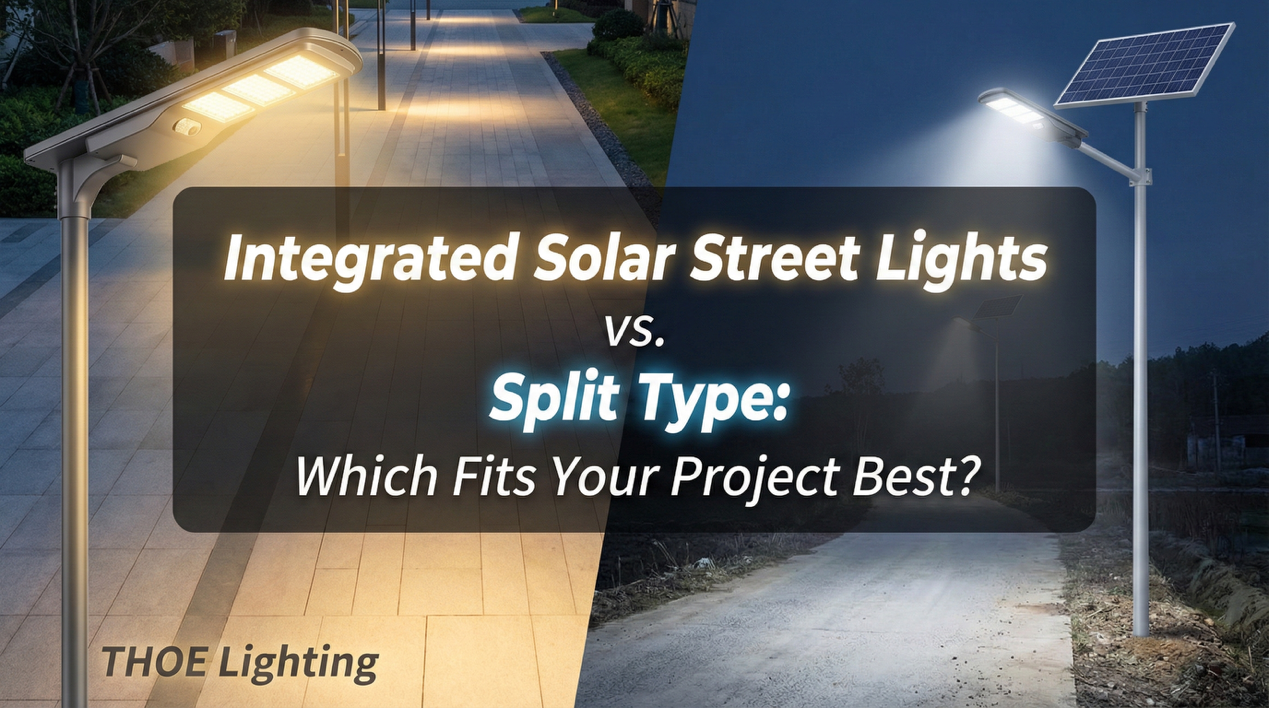
In the solar lighting industry, one question comes up more than any other during project consultations: “Should I choose an integrated solar street light or a split type?”
It is a valid question. The solar street lighting market is evolving rapidly, projected to reach $22.5 billion by 2030, driven by the demand for smart, energy-efficient infrastructure.[1] For project managers and city planners, choosing the right configuration is not just about lighting a road; it is about balancing installation costs, maintenance longevity, and site-specific needs.
Today, I will break down the technical differences, pros, and cons of both systems to help you decide which solution aligns best with your project goals.
What is a Split Type Solar Street Light?
The split type solar street light is the traditional configuration that most people recognize. As the name suggests, the components are separated.
1. Structure
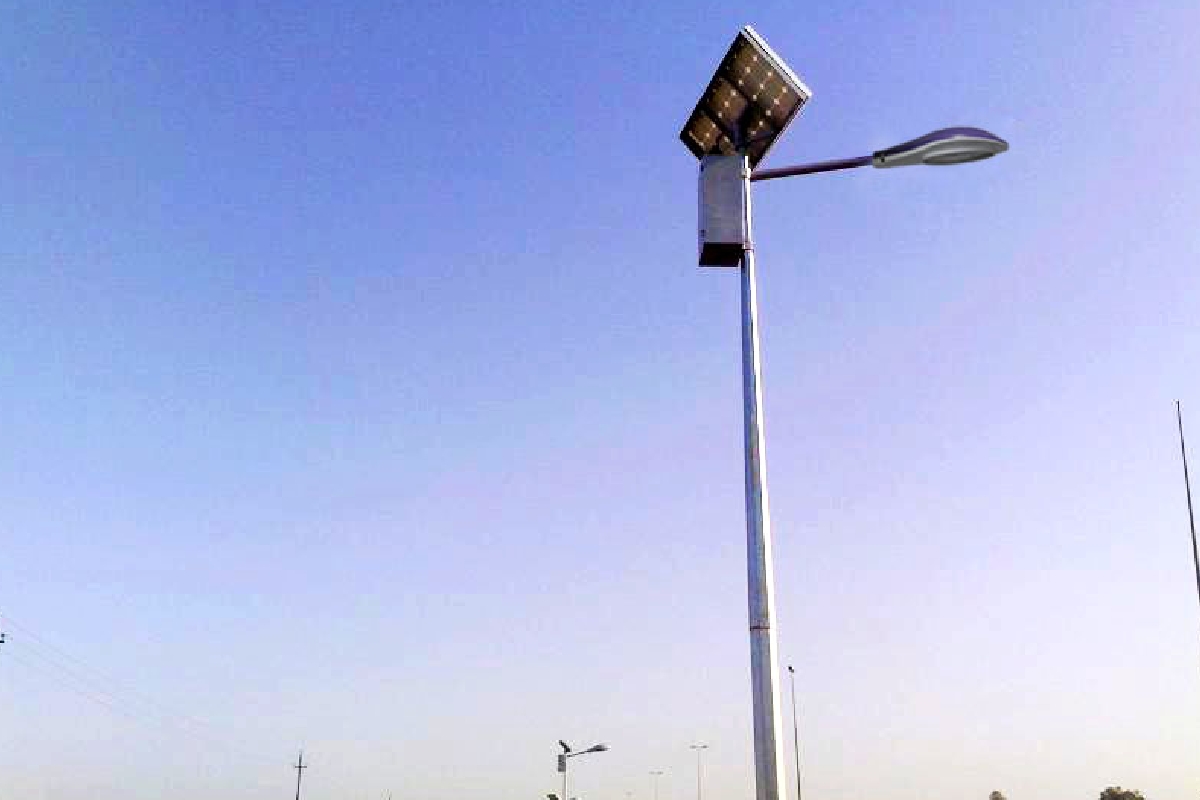
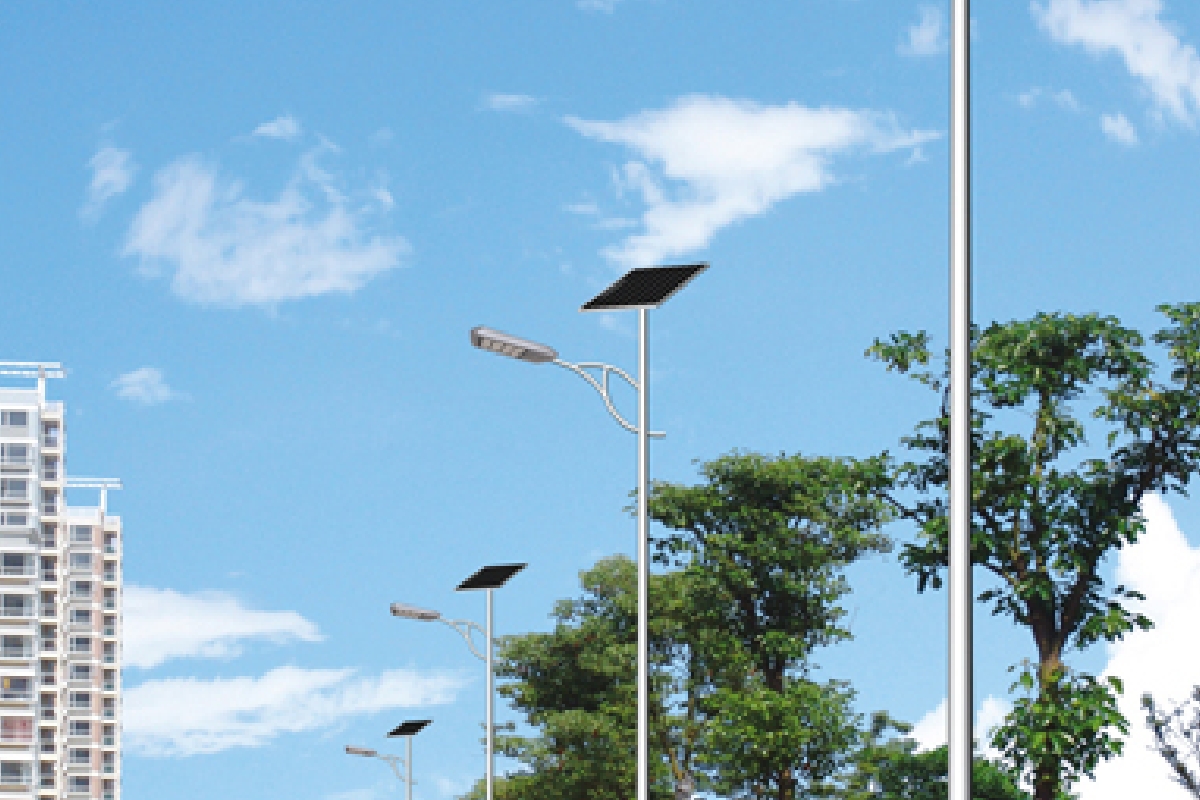
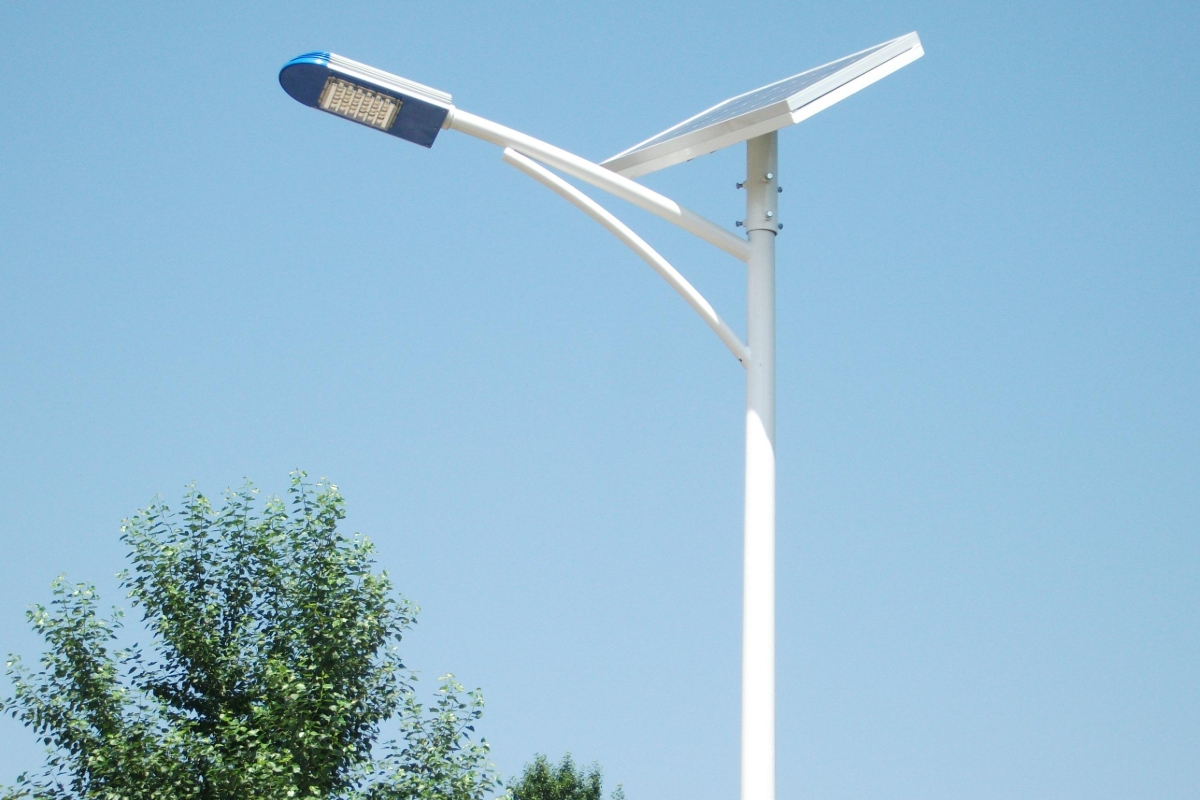
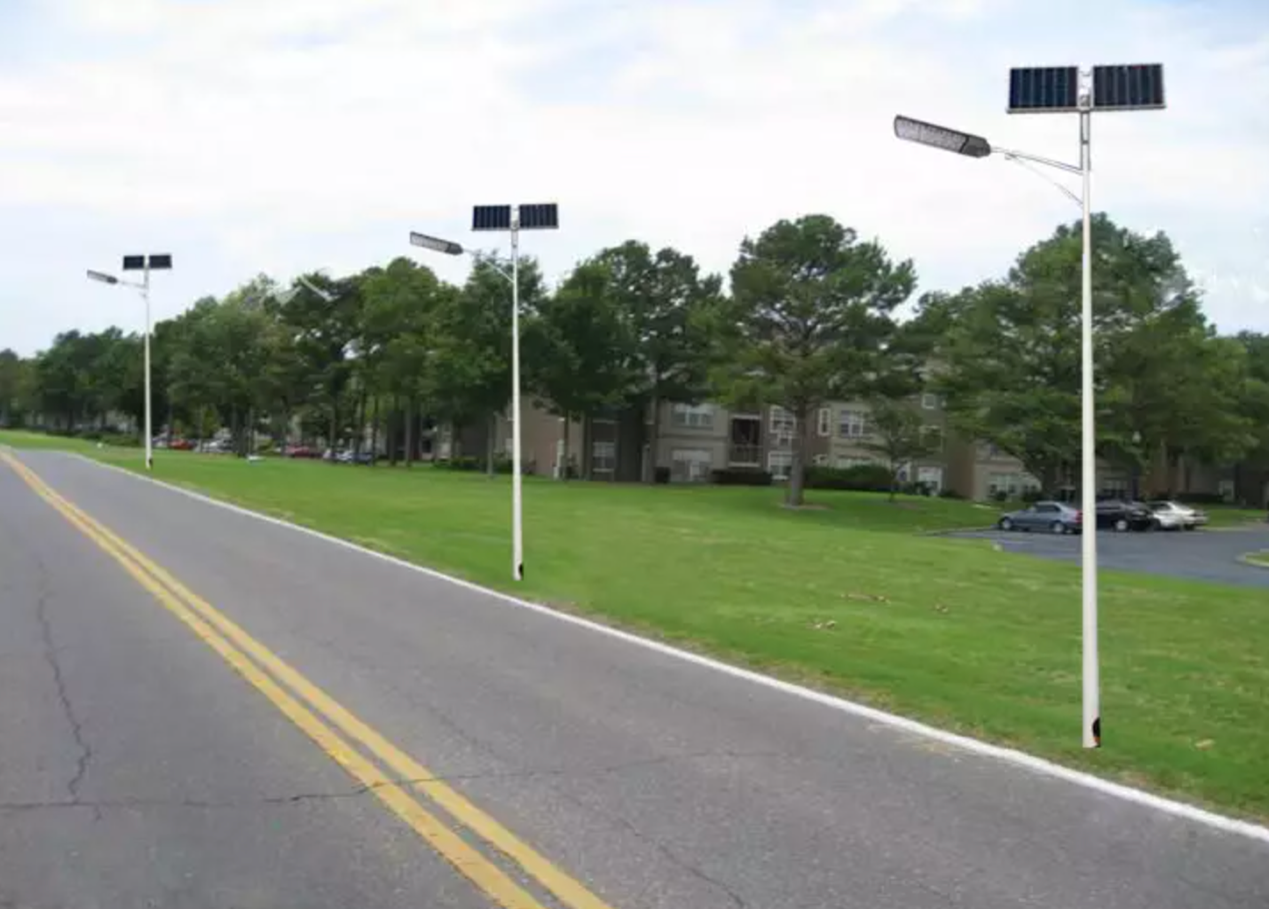
In a split system, the solar panel, battery, and LED light fixture are independent units. The solar panel is typically mounted at the top of the pole, the LED fixture extends over the road, and the battery (often a bulky lead-acid or gel type) is either buried underground or mounted lower on the pole.
2. The Pros: Flexibility and Power
- Maximized Sunlight: Because the panel is separate, its angle can be adjusted independently to face the sun perfectly, maximizing energy harvest.
- Higher Power Capacity: Split systems can accommodate much larger panels and batteries. This makes them the go-to choice for wide highways or areas with long stretches of cloudy days where high-power autonomy is required.
3. The Cons: Complexity and Risk
- High Installation Costs: Installation is labor-intensive. It requires assembling multiple parts, complex wiring, and often digging pits for the battery. This process can take significant time—skilled workers might need hours per unit compared to minutes for integrated types.
- Theft Risk: Buried batteries and accessible copper wiring make split systems vulnerable to theft. Cities like Los Angeles have faced millions in losses due to copper wire stripping. Split systems with underground components are prime targets for this type of vandalism.
4. Best Scenarios
Split types are best suited for major highways, industrial parks with wide roads, or high-latitude regions where solar panels need specific tilt angles to capture weak sunlight.
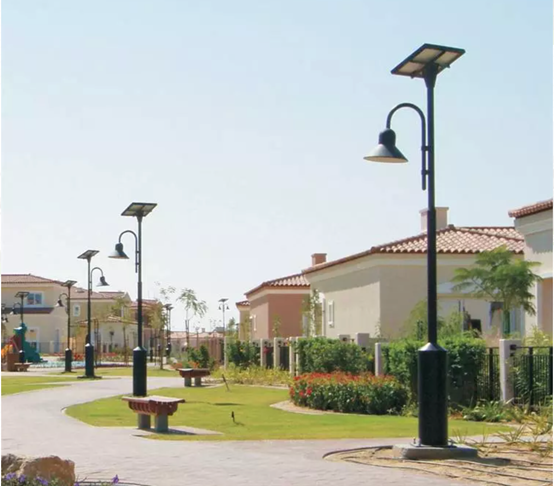
What is an Integrated Solar Street Light?
Also known as an all in one solar street light, this represents the modern evolution of solar technology.
1. Structure
An integrated solar street light combines the solar panel, Lithium Iron Phosphate (LiFePO4) battery, LED controller, and light source into a single, compact body.
2. Key Feature: “Plug & Play”
The defining characteristic of this design is simplicity. There is no complex assembly required. The unit attaches directly to the pole.
3. The Pros: Efficiency and Economy
- Zero Wiring & Easy Installation: With no cabling to run or battery pits to dig, installation is incredibly fast—often taking just 5 to 15 minutes per light. This drastically reduces labor costs.
- Theft Proof: Since all components, including the battery, are integrated into the head of the lamp at the top of the pole (20-30 feet high), they are inaccessible to thieves. There is no underground copper to steal.
- Lower Total Project Cost: While the unit price varies, the elimination of cabling, trenching, and heavy labor makes the total project cost significantly lower than split systems.
4. Best Scenarios
These are ideal for urban roads, residential streets, parking lots, parks, and rural village roads where ease of installation and aesthetics are priorities.
Detailed Comparison: Integrated vs. Split
To make your decision easier, here is a side-by-side comparison based on our manufacturing data and field experience.
Feature | Integrated Solar Street Light (All-in-One) | Split Type Solar Street Light |
Components | Solar panel, Battery, Controller, LED in one body | Separate Solar Panel, Battery, LED, Wiring |
Battery Type | Lithium (LiFePO4) – Compact & Long Life | Lead-Acid/Gel (often) – Bulky & Heavy |
Installation | 5-15 Minutes (Plug & Play) | Complex (Wiring, Digging, Assembly) |
Maintenance | Easy: Replace the entire lamp head or modular part | Difficult: Check individual wires, buried batteries, etc. |
Cost | Lower labor and material costs | Higher due to labor and cabling |
Anti-Theft | Excellent (No copper/accessible battery) | Poor (Vulnerable battery/cables) |
Application | Urban streets, Parks, Parking lots | Highways, High-power projects |
Why Integrated Lights Are the Future Trend
The market is clearly shifting. Reports indicate that standalone systems, particularly those integrated with smart technology, are driving industry growth.
1. Technological Shift
The transition from lead-acid to lithium batteries has been a game-changer. Lithium batteries are smaller, lighter, and have a longer lifespan, allowing us to pack powerful energy storage into a sleek fixture. Furthermore, the rise of Smart Cities demands lights that are “intelligent.” Integrated lights often come with MPPT controllers and motion sensors that automatically adjust brightness based on real-time traffic or pedestrian movement, conserving energy for when it is needed most.
2. The THOE Advantage
As a specialized all in one solar street light manufacturer with over 17 years of industry expertise, THOE has optimized the integrated design for maximum durability.
- Weatherproof Engineering: Our units are rated IP65, ensuring they are dust-tight and water-jet resistant. This is crucial for outdoor longevity, protecting internal circuits from rain and corrosion.
- Customization: We understand that every road is different. Whether you need a specific lumen output or a motion sensor configuration, our factory offers tailored solutions to meet your specific project requirements.
Conclusion
If your project involves a high-speed highway requiring massive illumination power regardless of cost, the split type remains a strong contender.
However, for the vast majority of modern projects—municipal roads, residential communities, and parking lots—the integrated solar street light is the superior choice. It offers a lower total cost of ownership, immunity to copper theft, and a sleek aesthetic that fits modern cityscapes.
At THOE, we believe in building lighting solutions that solve problems, not create new ones. If you are ready to upgrade your infrastructure with reliable, hassle-free solar lighting, feel free to contact us.
Reference
[1] Strategic Market Research. Solar Street Lighting Market Report 2030. Available at: https://www.strategicmarketresearch.com/market-report/solar-street-lighting-market (Accessed on Dec.26, 2025)