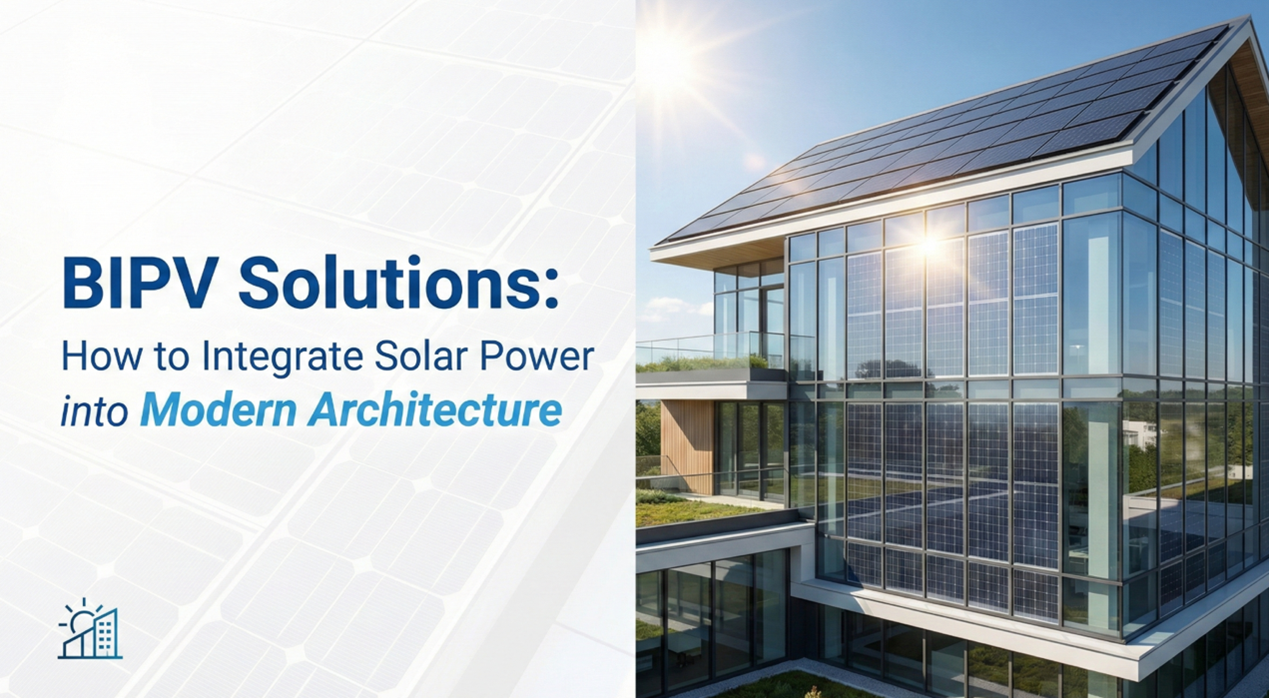
In the world of modern architecture, a quiet revolution is taking place. For decades, buildings have been passive consumers of energy, relying entirely on external grids to power their lights, HVAC systems, and operations. But at THOE, we see a different future. We see buildings that are not just shelters, but active power stations.
This is the promise of Building Integrated Photovoltaics (BIPV).
As specialists in solar lighting and customized energy solutions since 2007, we have witnessed the shift from bulky, “add-on” solar panels to sleek, integrated designs. Today, we are going to explore how BIPV solutions are redefining construction, turning roofs and facades into assets that pay for themselves.
What is BIPV? More Than Just Solar Panels
When most people think of solar power, they imagine racks of blue or black panels mounted on top of an existing roof. That is known as BAPV (Building Applied Photovoltaics).
BIPV is different. It is the seamless fusion of solar technology into the building envelope itself. In a BIPV solution, the solar modules become an integral part of the building envelope. They either replace traditional materials (like shingles) or functionally integrate with flat surfaces to provide a second layer of protection.
The Core Value: Protection Meets Production
At THOE, we emphasize the dual purpose of these materials. A standard roof protects you from rain and wind, but it is a “sunk cost”—money spent that never returns. Solar building materials, on the other hand, provide that same weatherproof protection while simultaneously generating clean electricity.
By replacing conventional materials, BIPV significantly reduces the initial construction cost relative to installing a roof plus a separate solar system. You are essentially buying a roof that pays you back every single day.
The “Energy Loop”: Connecting BIPV with Solar Lighting
One of the unique innovations we champion at THOE is the creation of a self-sustaining “Energy Loop.” While many companies sell BIPV as a standalone product, we approach it as part of a holistic ecosystem.
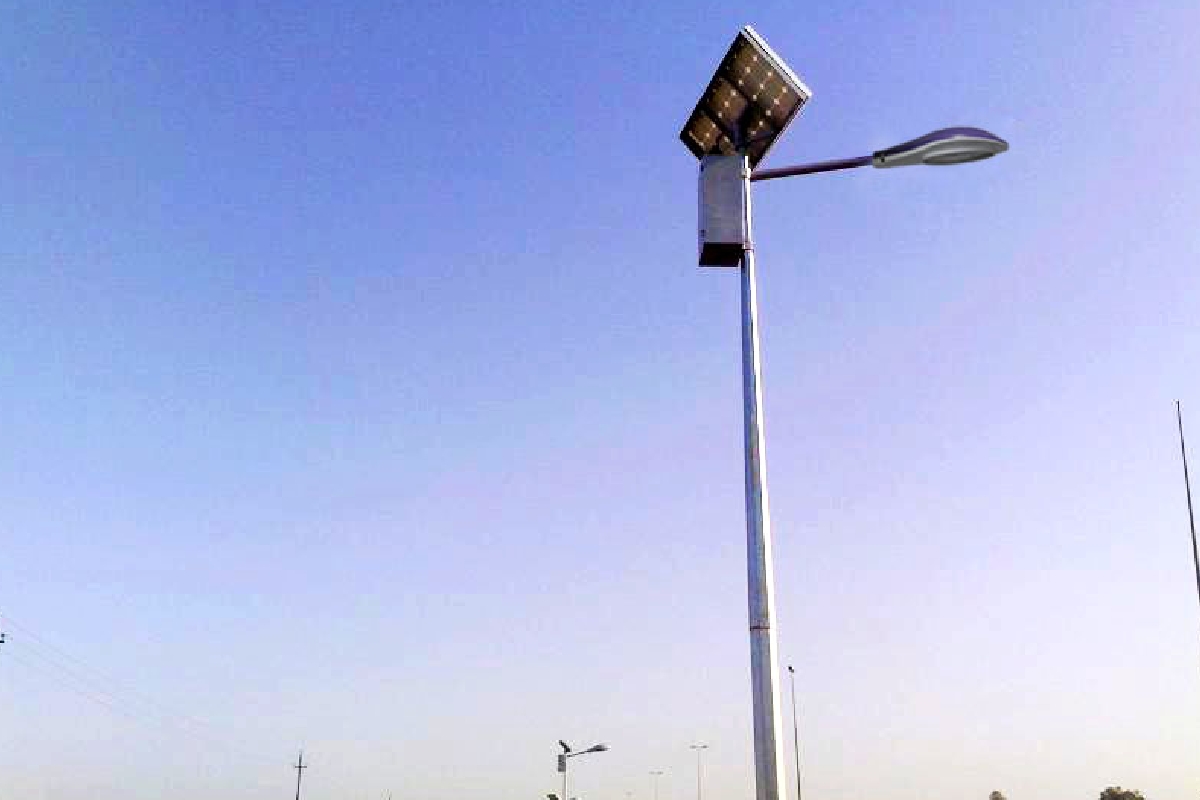
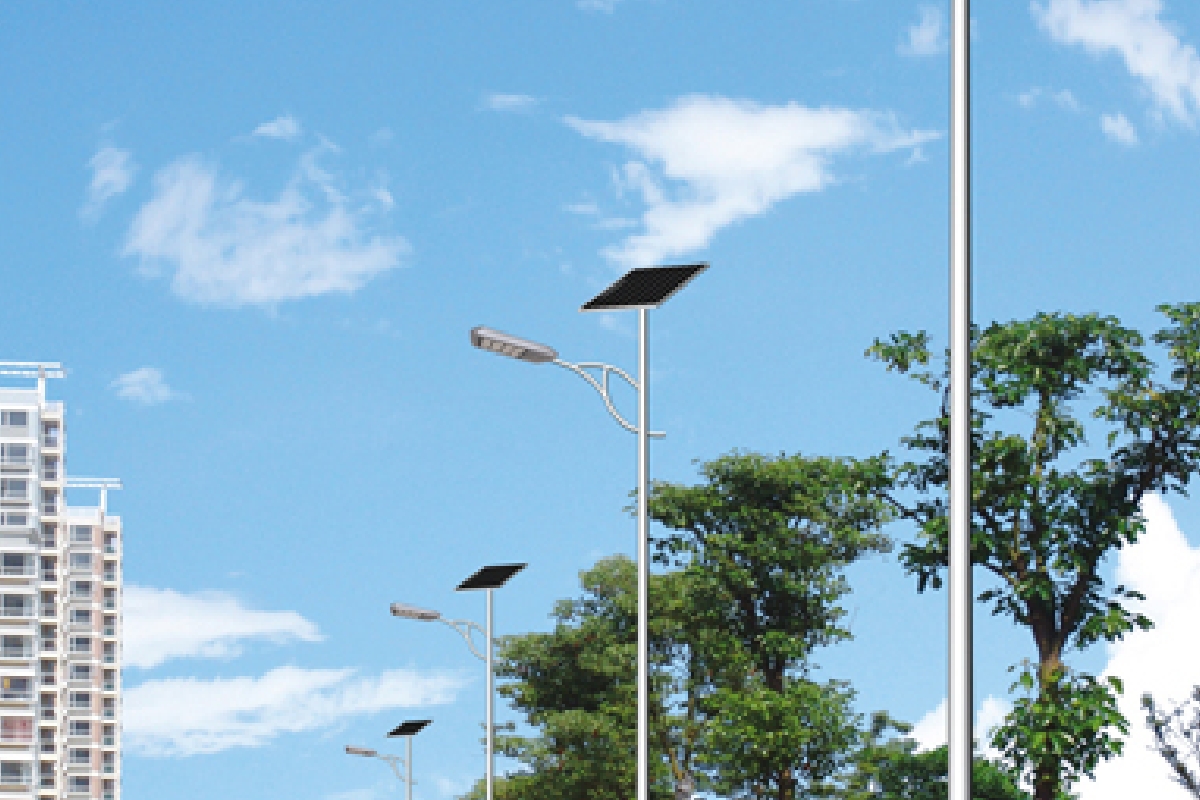
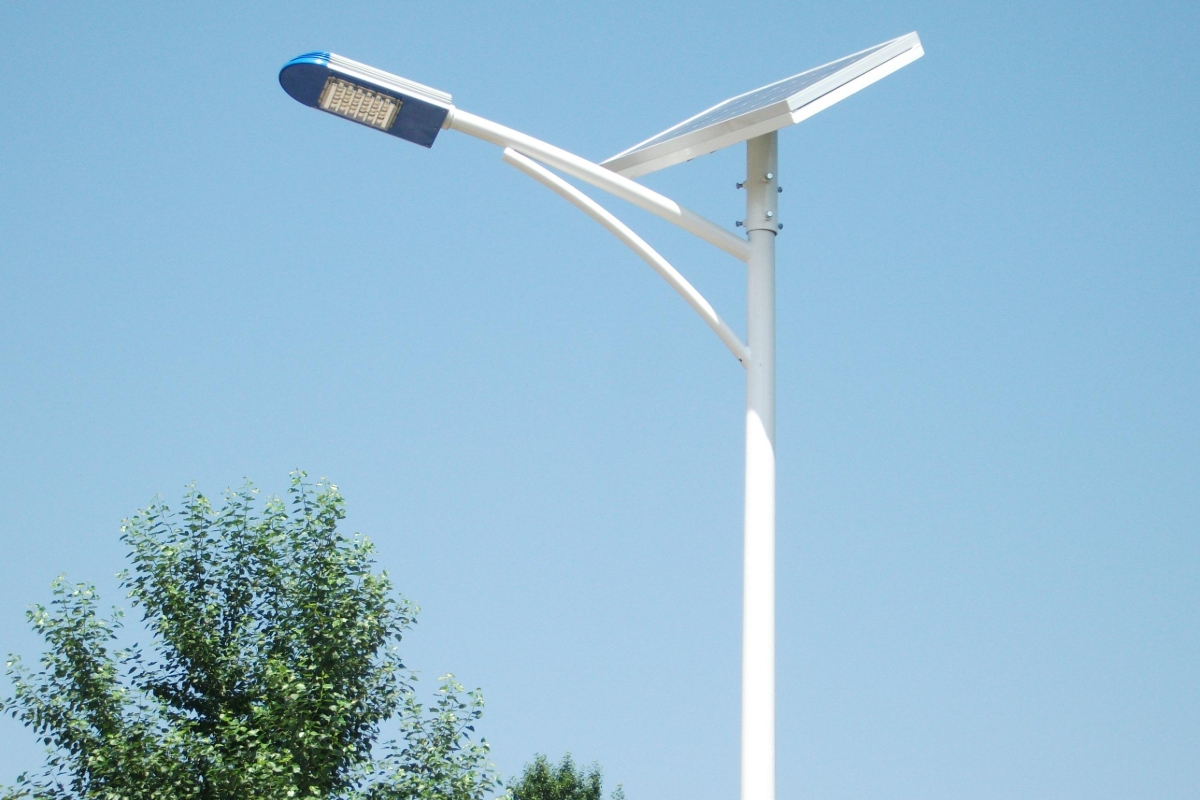
We integrate high-efficiency rooftop BIPV modules directly with our advanced solar street light systems and site lighting. Here is how this ecosystem creates value for commercial plazas, industrial parks, and residential complexes:
1. System Integration
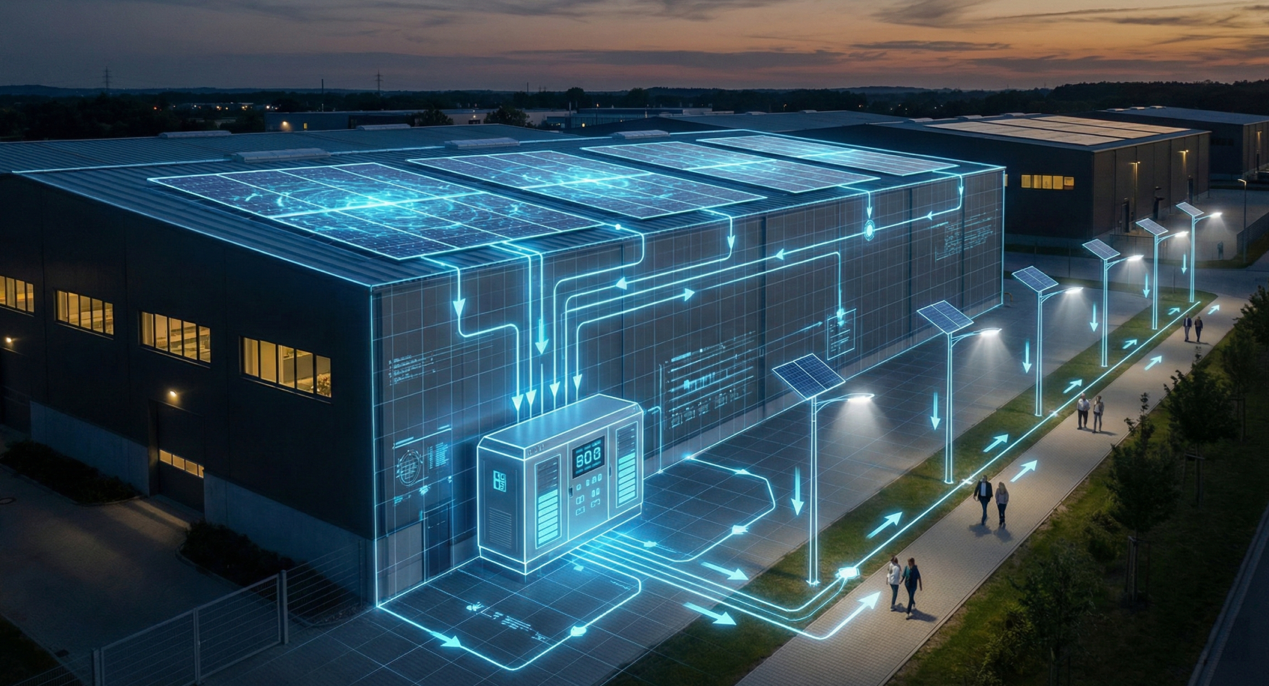
Instead of feeding all generated power back into an unstable grid, our BIPV solutions can be coupled with a centralized energy storage system (ESS) or decentralized battery banks. This infrastructure is then hardwired to power the site’s lighting fixtures.
2. How It Works
- Daytime (Generation): As the sun beats down, the BIPV roof acts as a massive generator. The high-efficiency monocrystalline cells convert sunlight into electricity. This power charges a robust lithium battery bank—the same high-quality storage technology we use in our All-in-One street lights.
- Nighttime (Illumination): As dusk falls, the system automatically switches modes. The stored energy is released to power the perimeter security lights, garden lights, and street lamps.
3. The Benefit: Independence
This loop maximizes efficiency. You are using the energy exactly where it is generated. For our clients in areas with unstable grid power or high electricity tariffs, this creates a “micro-grid” that ensures security lights stay on, regardless of regional blackouts.
Versatile BIPV Applications for Every Roof Type
A common misconception is that BIPV is only for futuristic glass skyscrapers. In reality, THOE’s engineering team has adapted BIPV solutions for the most common roof types found in tropical and temperate climates alike.
Whether you are retrofitting an old warehouse or designing a new villa, there is a method to integrate solar power.
1. Concrete Roofs (Urban & Industrial)
In many tropical cities and industrial zones, flat or slightly pitched concrete roofs are the norm. They are durable but prone to absorbing immense heat.
- The THOE Solution: We utilize a robust fixation method using specialized brackets anchored into the concrete.
- Why it works: This method ensures long-term stability against high winds (typhoons) and heavy rain. Furthermore, the solar layer acts as a “heat shield,” shading the concrete beneath and significantly lowering the indoor temperature of the factory or home.
2. Asphalt Shingle Roofs (Residential)
For residential projects, aesthetics are paramount. Homeowners do not want their house to look like a science experiment.
- The THOE Solution: We offer solar building materials that mimic the profile and look of standard roofing.
- Why it works: Our installation uses high-efficiency interlocking brackets that blend seamlessly with standard asphalt designs. The result is a roof that looks traditional but performs like a power plant.
3. Flat Roofs (Commercial Plazas)
Commercial buildings often have large, unused flat rooftops covered with a delicate waterproofing membrane. Drilling holes into this surface is a recipe for leaks.
- The THOE Solution: We employ ballasted solutions. Instead of penetrating the roof, the solar structure is held down by calculated weights (ballasts).
- Why it works: This protects the integrity of the roof’s waterproofing layer while ensuring safety standards are met. It allows for easy maintenance and modular expansion in the future.
Why Choose THOE BIPV?
In a market flooded with solar components, why should developers and homeowners choose THOE? The answer lies in our specific expertise in combining durability with ROI.
1. Dual Economic Benefit
We don’t just sell you a solar panel; we optimize your building’s value. For residential pitched roofs, our systems can mimic and replace tiles, directly offsetting the cost of traditional roofing materials. For commercial flat roofs, the installation functions as a “thermal shield,” extending the lifespan of the underlying waterproofing (by blocking UV rays) and significantly reducing HVAC cooling loads by shading the concrete. In both cases, the investment is quickly recovered through energy savings.
2. High-Performance in Limited Spaces
Urban roofs often have limited square footage. To address this, THOE utilizes premium cells with high conversion efficiency. We ensure that every square meter of your roof generates the maximum possible wattage, optimizing the output even for smaller buildings.
3. Weather Resistance & Durability
Lighting and solar equipment installed outdoors must withstand the harshest elements. Drawing from our 17 years of experience manufacturing IP65-rated solar street lights, we apply the same rigorous Quality Control (QC) to our BIPV systems. Our panels are tested against:
- Intense UV Radiation: Preventing yellowing and degradation over decades.
- Corrosion: Essential for coastal projects where salt spray destroys lesser materials.
- Storms: Structural integrity designed to survive high wind loads.
Conclusion
The era of the “passive building” is ending. Today, a roof that does nothing but sit there is a wasted opportunity.
THOE BIPV solutions transform your property from an energy consumer into an energy producer. We invite you to look at your building differently—not just as a structure, but as a source of power, security, and savings.
Whether you are an architect, a construction manager, or a homeowner, the transition to solar building materials is easier than you think. Ready to transform your roof? Contact the THOE Team today for a customized consultation on integrating solar power into your next project.